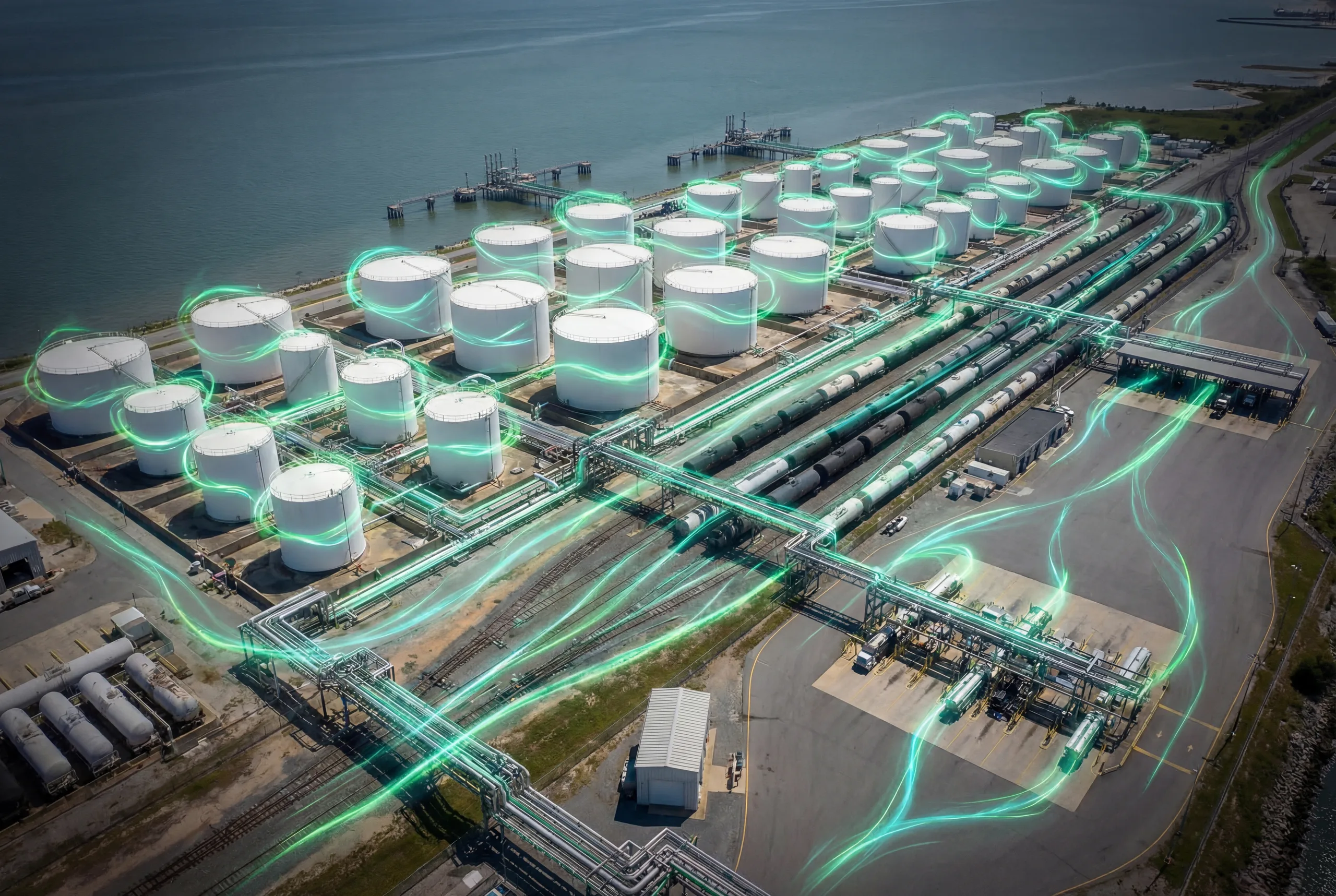
Building Critical Fuel Infrastructure
We develop and operate fuel storage terminals where the market needs them most, at the intersection of constrained supply, growing demand, and multimodal logistics access.
Infrastructure Division
Strategic positioning, not transactional
Our Infrastructure division acquires, develops, and operates fuel storage and terminal assets across downstream energy markets. We target corridors where storage capacity has fallen behind consumption growth: high-population regions, logistics-intensive zones, and areas with aging or underinvested infrastructure.
We evaluate both large-scale greenfield developments and niche storage acquisitions where market fundamentals justify long-term positioning.
Where We Focus
- Storage-constrained markets with structural demand growth
- Regions with aging facilities or limited reinvestment
- Corridors with marine, rail, truck, or pipeline connectivity
- Areas serving aviation, marine, and commercial fuel distribution
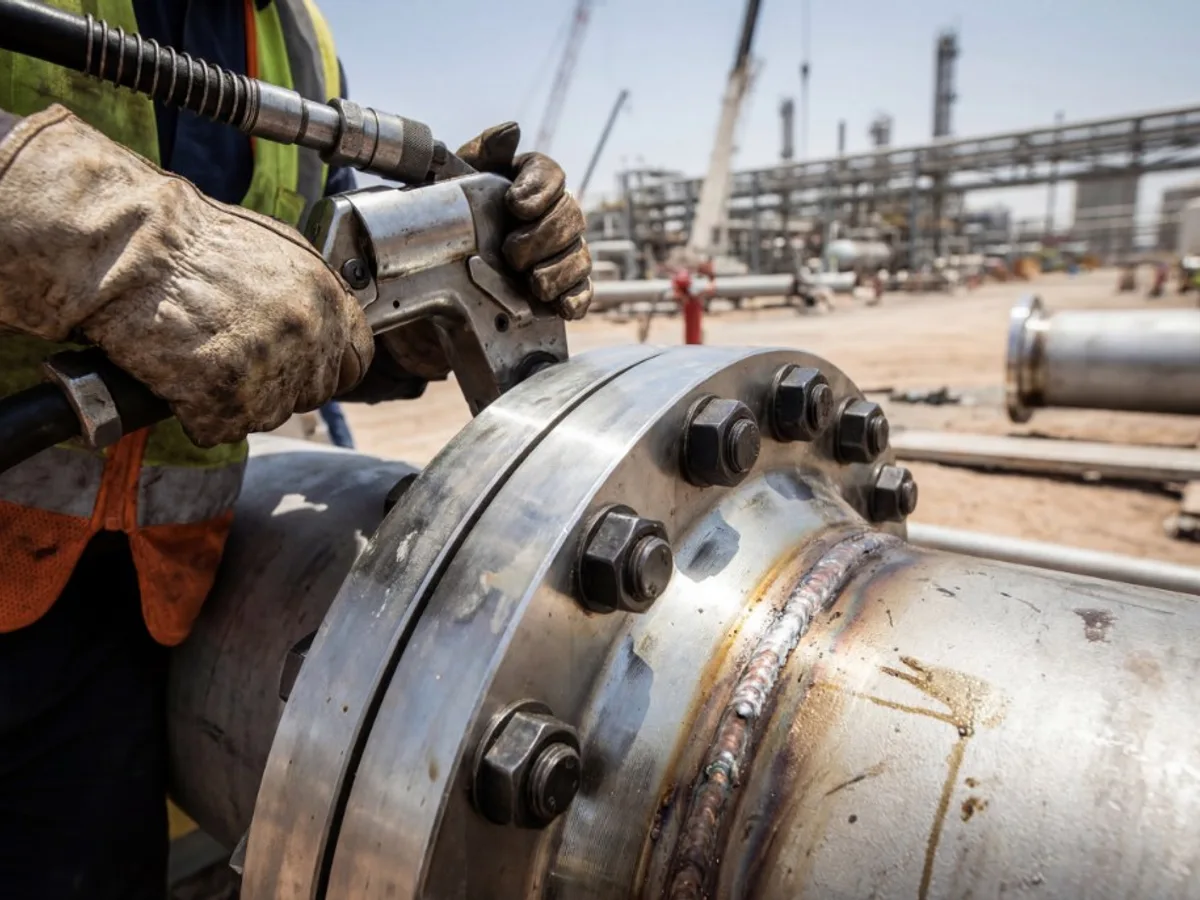
Integrated by Design
Infrastructure connected to our full platform
Real-time throughput visibility for trading decisions
Terminal-level blending with Dynamo Ultra™ All in One additives
Flexible supply chain response for counterparties
Long-term customer alignment through infrastructure access
Flagship Development
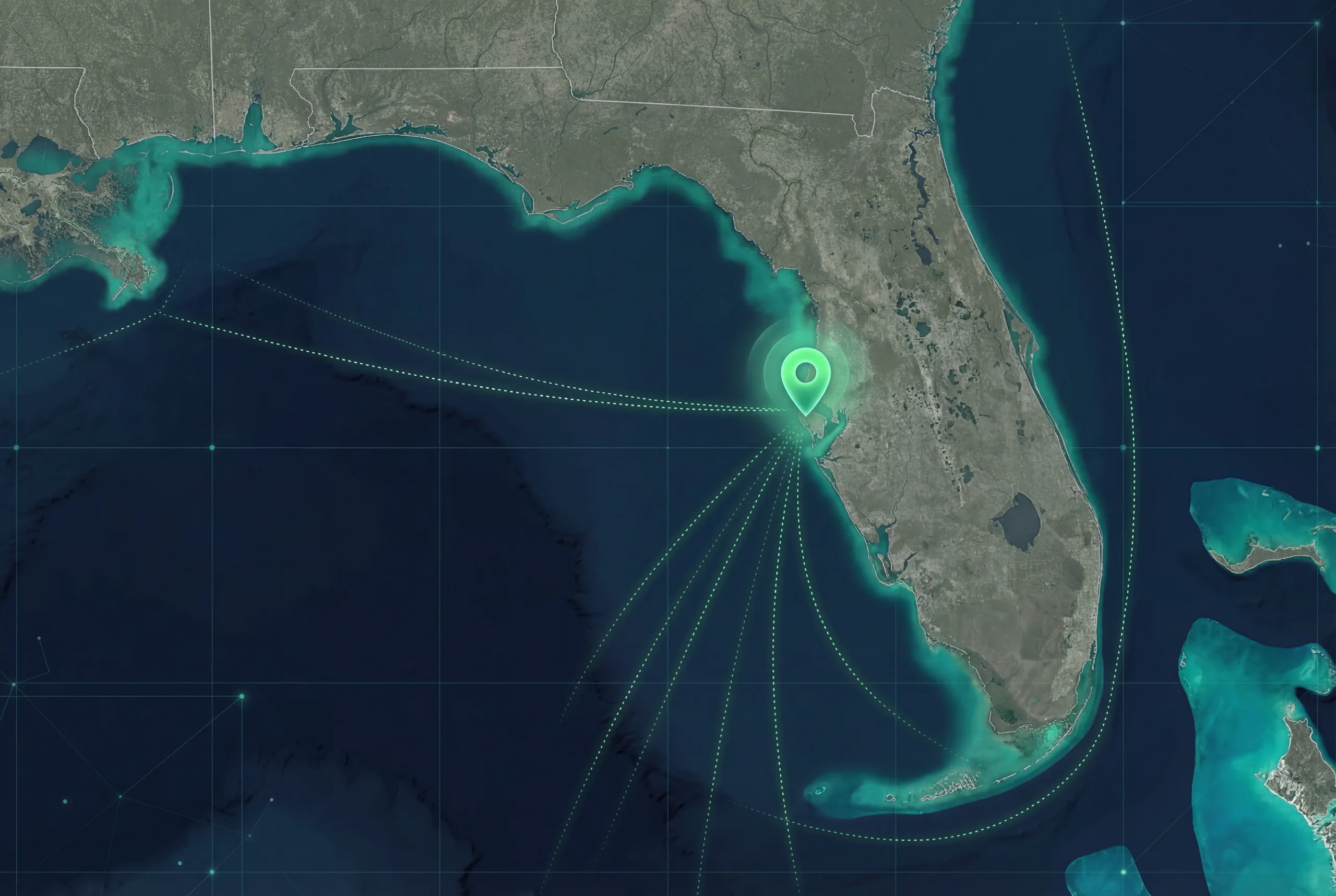
Gateway Terminal, Port Tampa, Florida
One of the most significant fuel infrastructure projects currently underway in the Southeastern United States.
Site rendering. Final design subject to change.
The Site
- 72 acres of industrial waterfront land, including 28 acres of water rights
- 10 separate parcels acquired and consolidated
The Development
Phase I
Up to 8 tanks
Phase II
Up to 6 tanks
Phase III
Remaining capacity
Strategic Location
Why Florida?
Florida has no in-state refineries and no direct Gulf pipeline access. Fuel shortages intensify during storm events and transit disruptions. The state has expressed strong interest in new storage infrastructure, and Port Tampa sits at the center of that need.
Looking Ahead
Expanding the platform
We continue evaluating infrastructure opportunities where disciplined capital, multimodal logistics, and commercial integration support durable platform expansion, both within existing markets and in new regions where the fundamentals warrant investment.